

Disfunção da ATM
A disfunção da articulação temporomandibular (ATM) refere-se a problemas que afetam a articulação e os músculos que controlam a mastigação e o movimento da mandíbula. Esta condição pode causar dor e desconforto significativos, afetando a qualidade de vida.
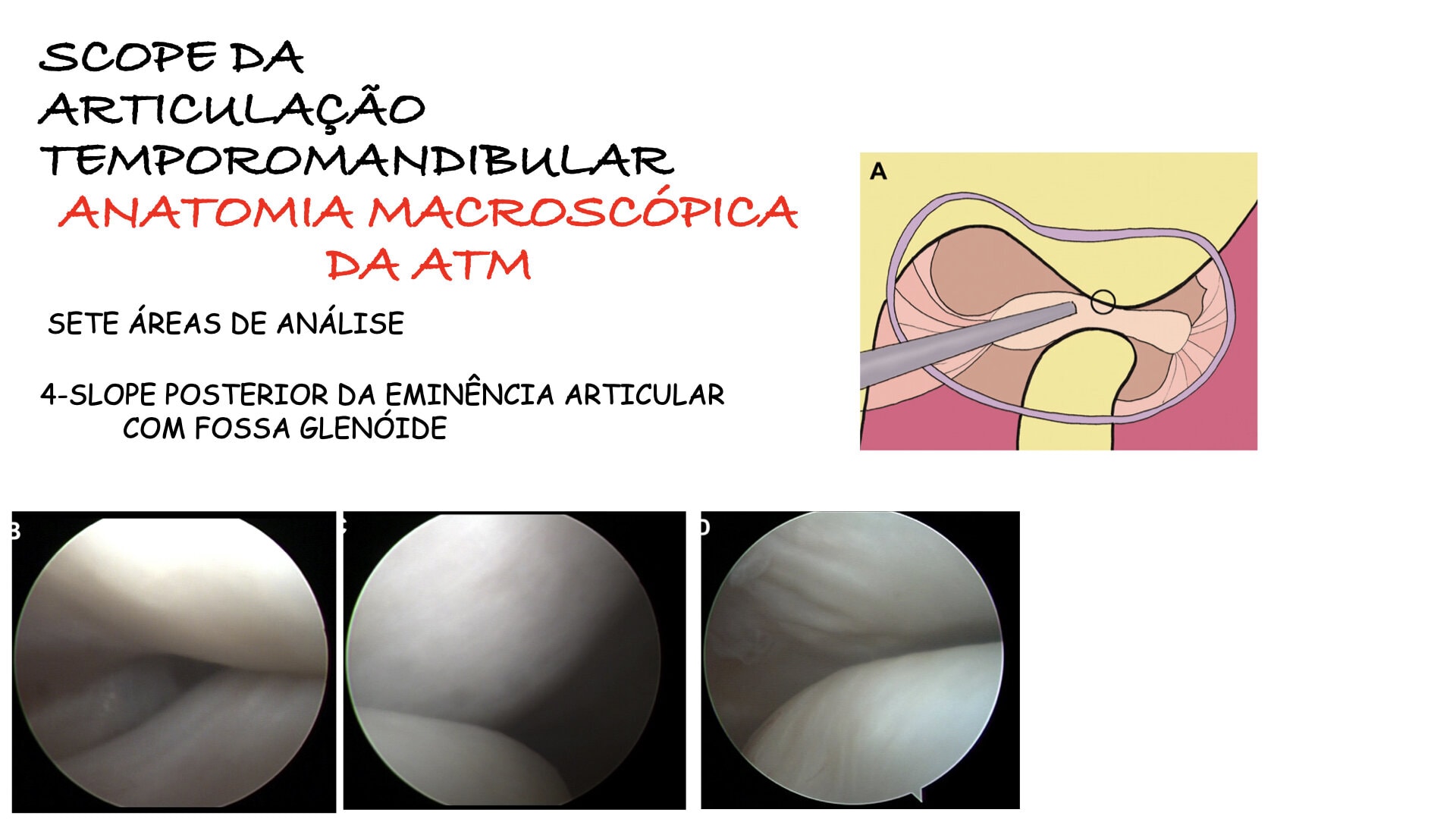
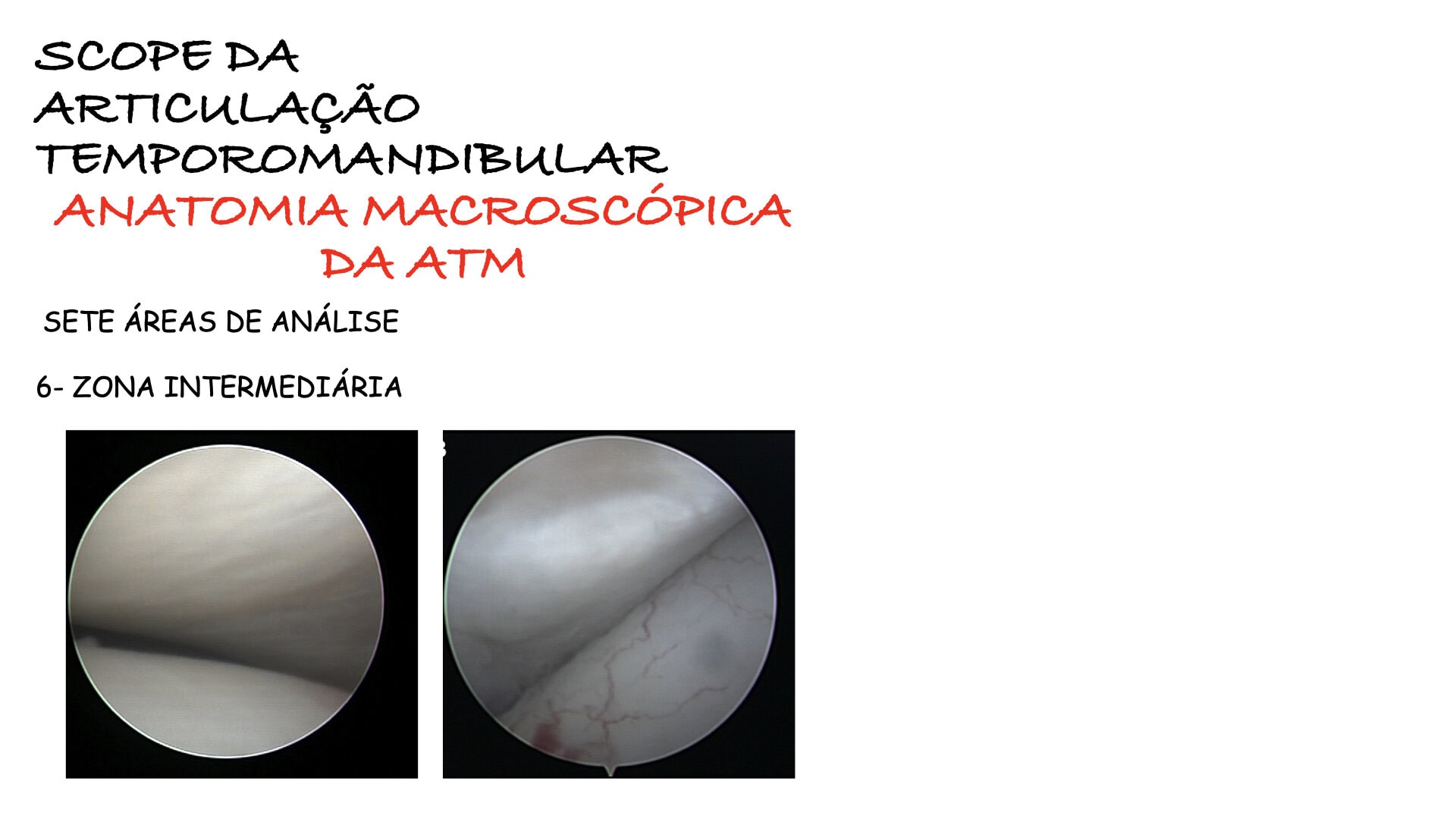
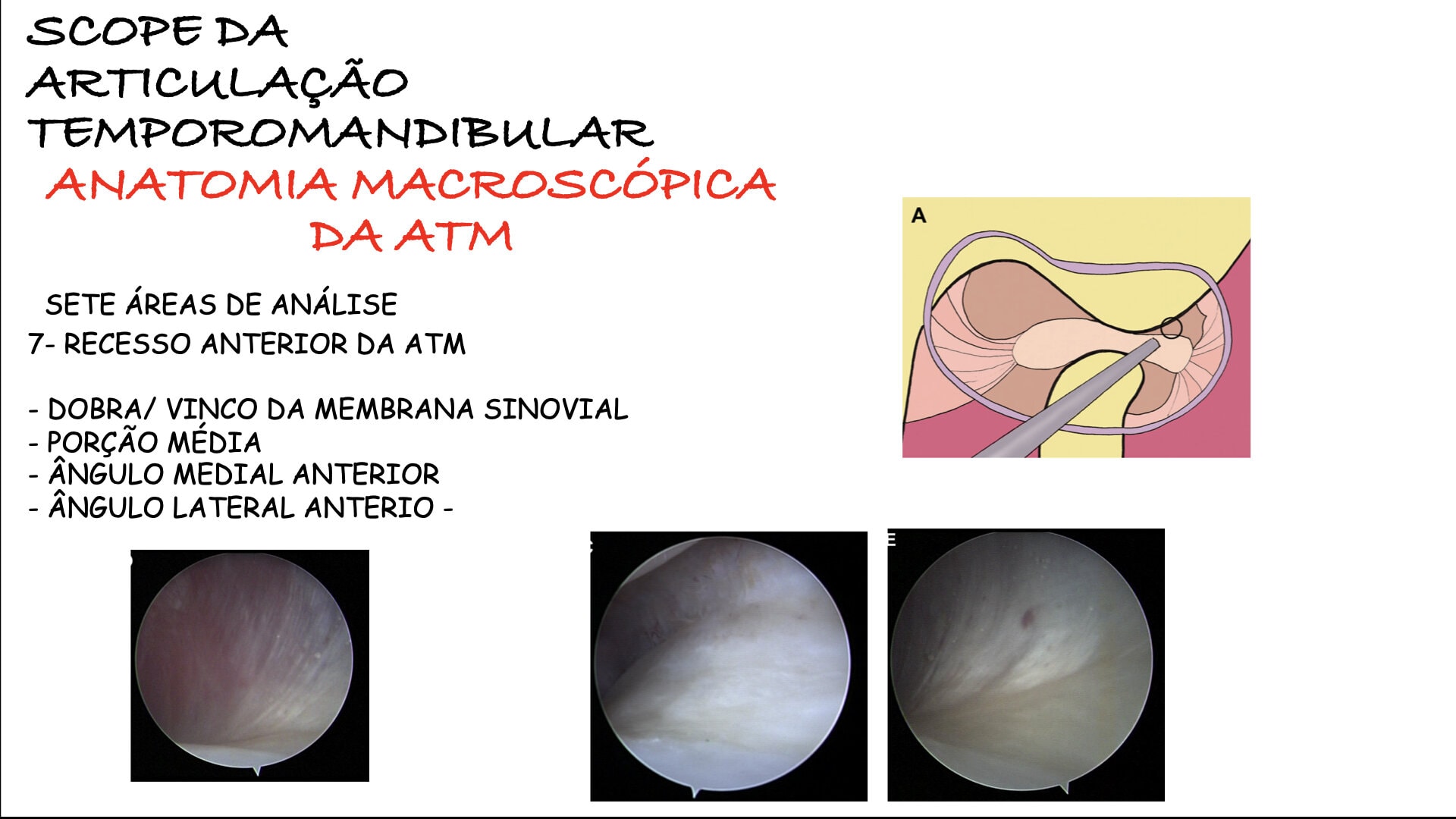
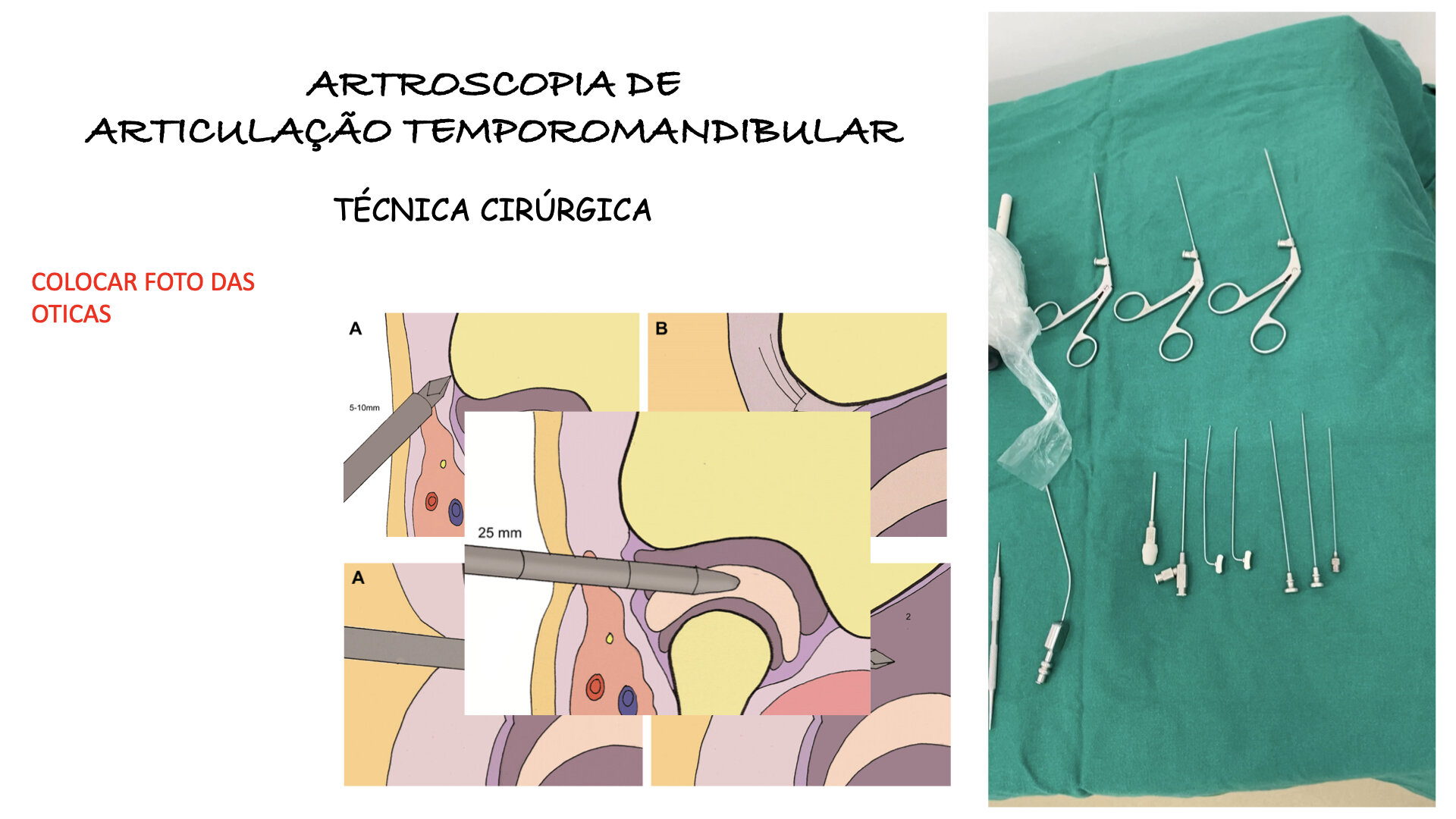
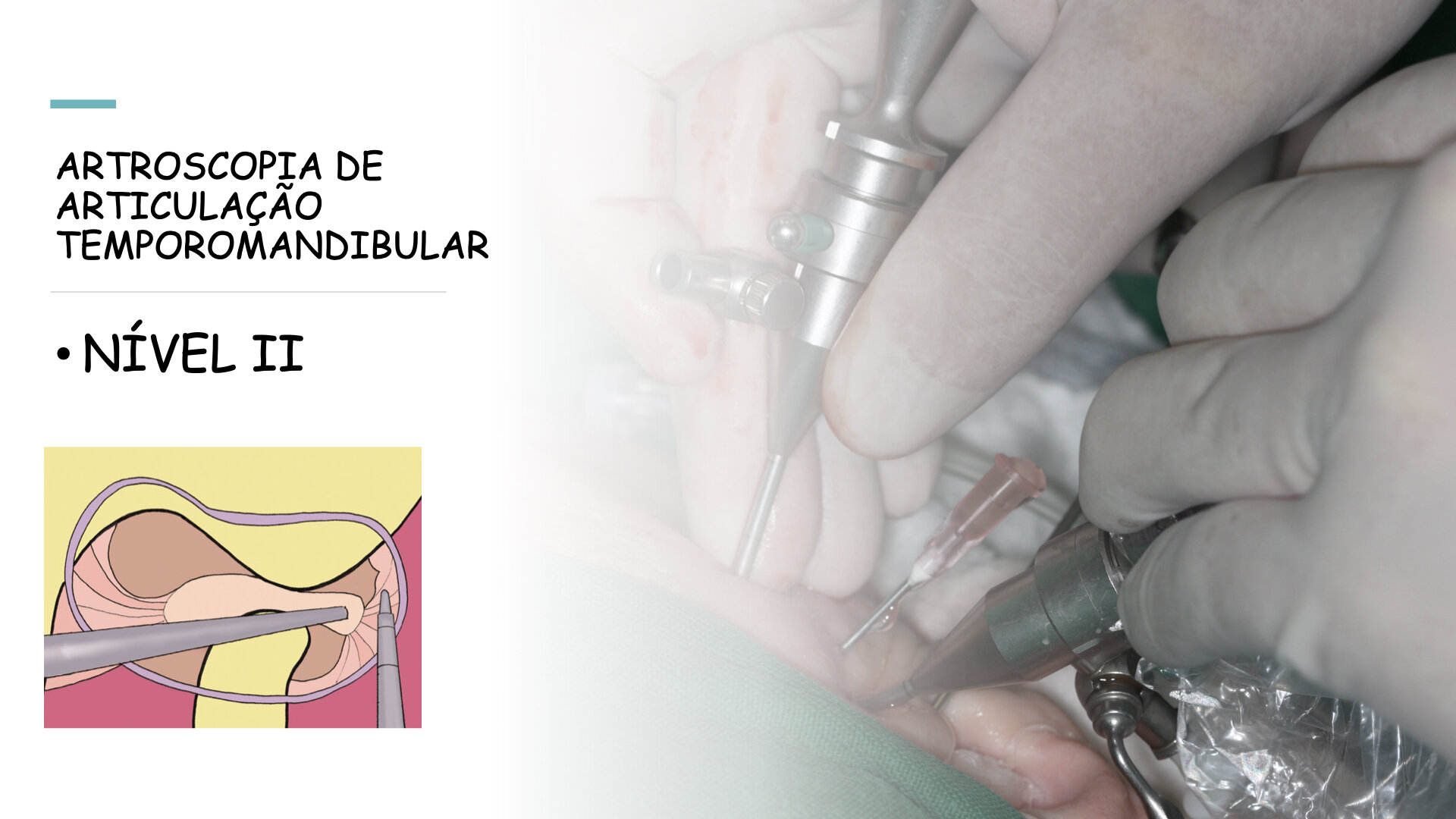
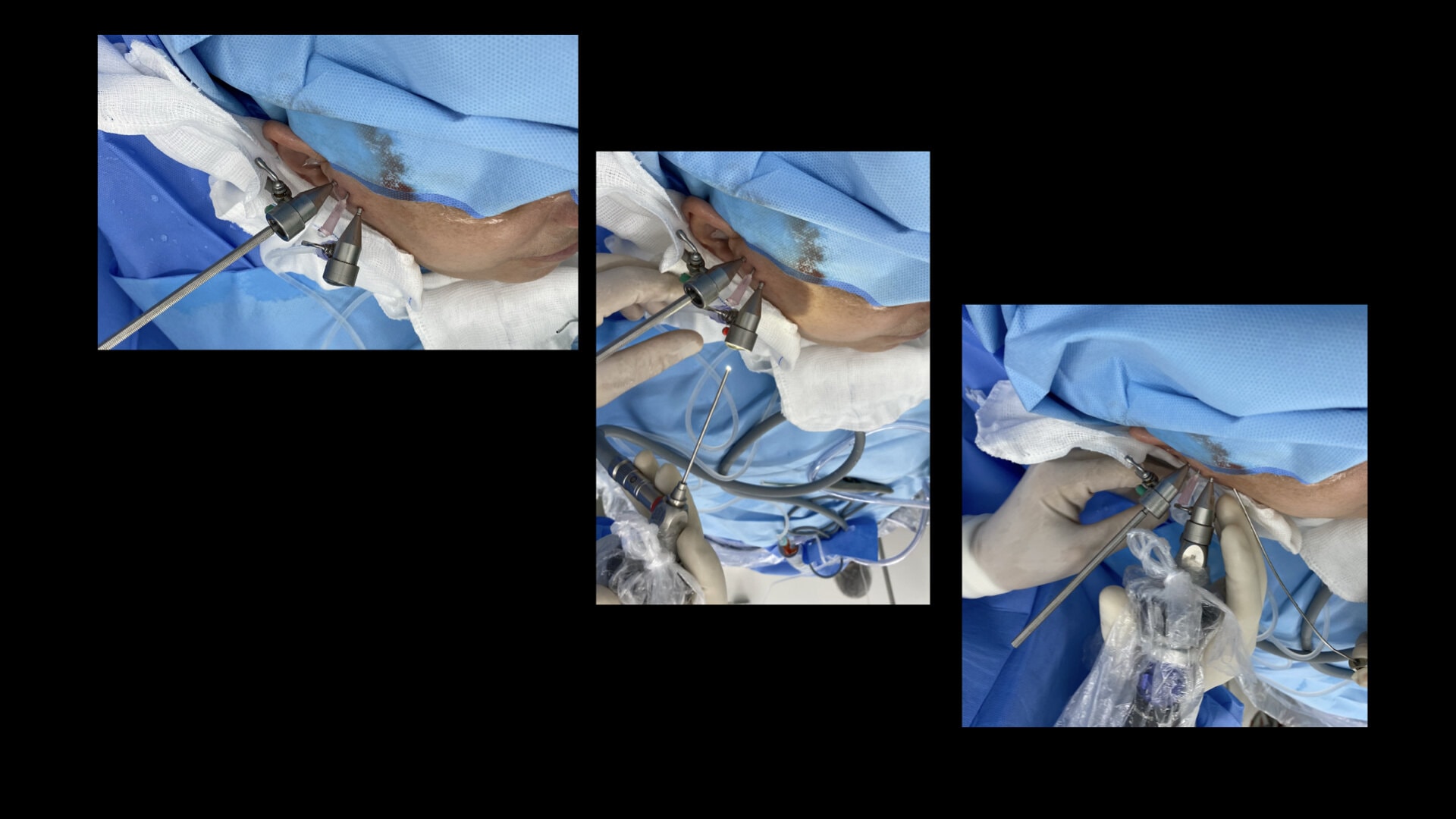
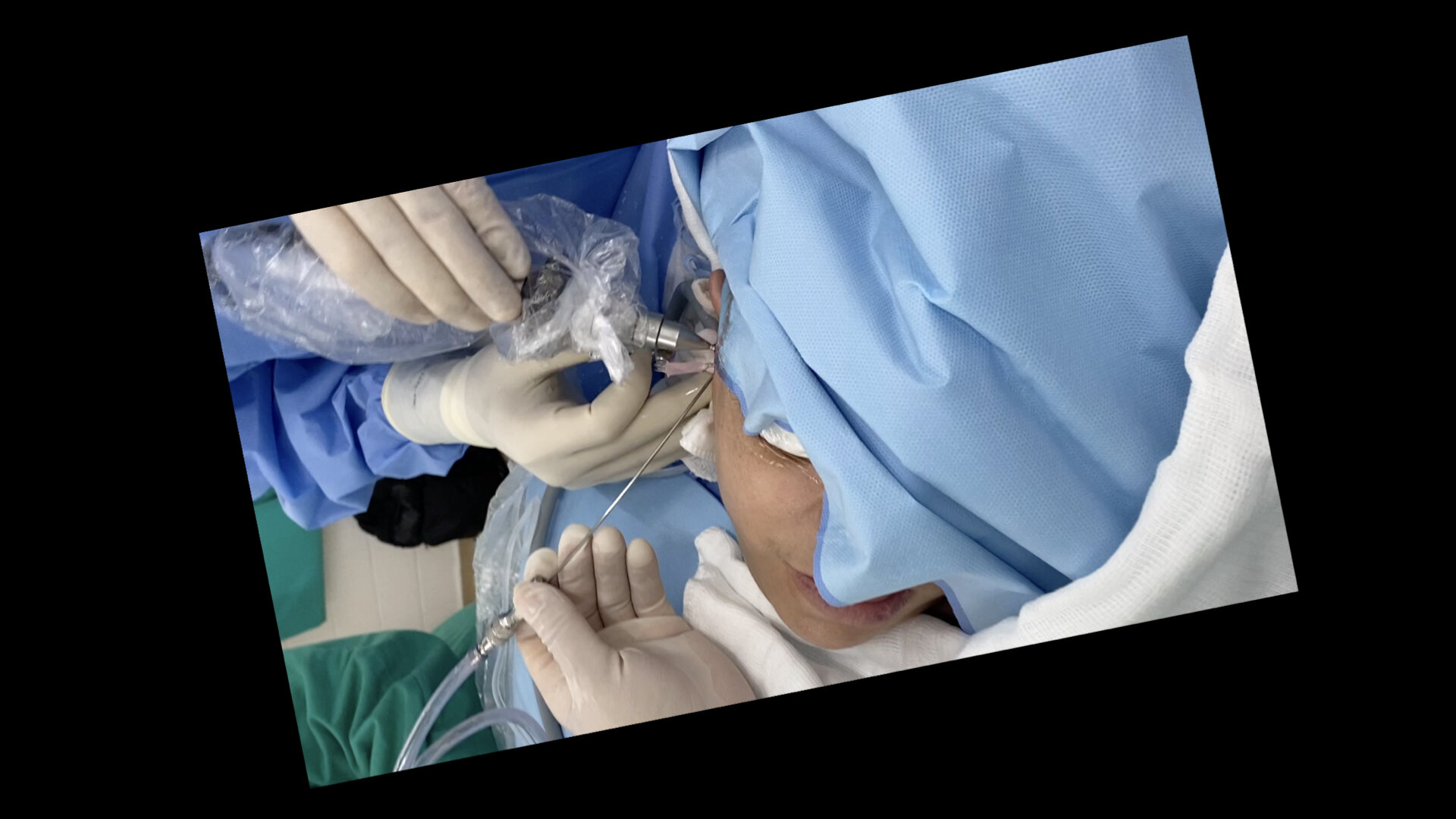
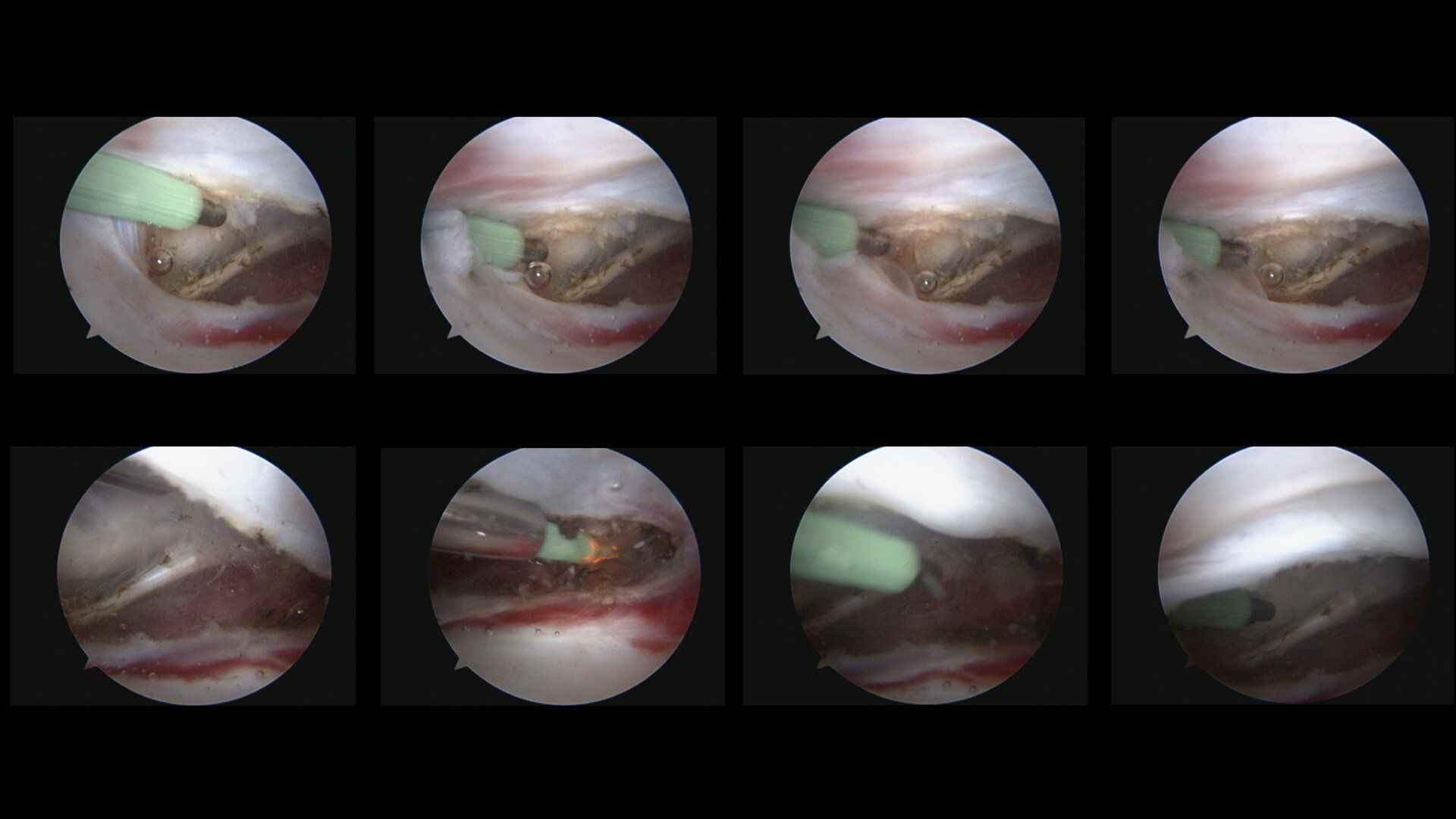
O procedimento
A disfunção da ATM pode resultar de várias causas, incluindo má oclusão (alinhamento inadequado dos dentes), lesões na mandíbula, artrite, ou estresse, que leva ao apertamento ou ranger dos dentes. Os sintomas comuns incluem dor na mandíbula, dor de cabeça, dificuldade para mastigar, e sons de estalido ao abrir ou fechar a boca. O diagnóstico é feito através de uma avaliação clínica, e pode incluir exames de imagem, como radiografias ou ressonância magnética.
O tratamento para a disfunção da ATM varia de acordo com a causa e a gravidade dos sintomas. Pode incluir terapias conservadoras, como uso de placas oclusais (moldes de mordida), fisioterapia, medicamentos para aliviar a dor e inflamação, ou, em casos mais graves, procedimentos cirúrgicos para corrigir problemas estruturais. A gestão adequada da disfunção da ATM pode melhorar significativamente a qualidade de vida, reduzindo a dor e melhorando a função da mandíbula.